

Keeping Your Pet Moving: How Assistive Devices Support Senior and Disabled Pets
Some of the hardest moments happen at home. The slippery kitchen floor on the way to the water bowl. The back steps that used to be effortless. The couch your dog hasn’t been able to get onto in months, despite circling it hopefully every evening. Watching a pet struggle with movement they once took for granted is difficult, and it often leaves owners feeling uncertain about what, if anything, can help. The good news is that assistive devices like supportive harnesses, wheeled mobility carts, and traction aids are designed to address exactly these problems. And they work best when matched carefully to a pet’s specific condition, size, and the actual environment they live in every day.
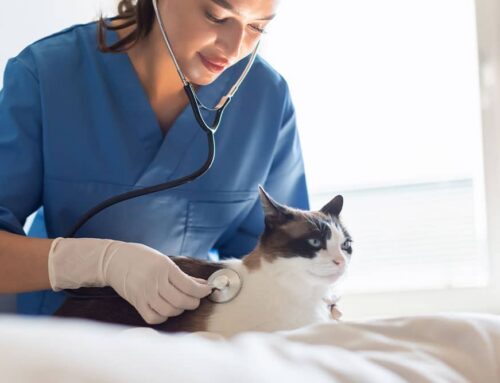
That’s where we come in. Iris Veterinary Care serves coastal Delaware communities from Lewes to Rehoboth Beach, bringing the full clinical picture directly into your home, where mobility challenges are actually happening. We can evaluate your pet’s gait, strength, and surroundings in real time, see exactly which floors are slippery and which doorways are obstacles, and recommend tools and changes that are tailored to your specific space. If you’re ready to explore what support could look like for your pet, contact us to schedule a home visit and start building a plan together.
When Does a Pet Actually Need Mobility Assistance?
Using an assistive device isn’t an admission that a pet’s best days are behind them. In most cases, it’s the thing that allows those days to continue. The conditions that most commonly call for mobility support include osteoarthritis, post-surgical recovery, spinal cord disease, hip dysplasia, amputation, and neurological changes that come with aging or injury.
The signs that a pet might benefit from support often develop gradually enough to be mistaken for simply slowing down:
- Hesitating at stairs or refusing to attempt them
- Slipping on hardwood, tile, or the open floor plans common in coastal homes
- Difficulty rising after rest, especially first thing in the morning
- A changed gait: shorter stride, bunny-hopping, or dragging a paw
- Decreased interest in walks or activities they previously enjoyed
- Leaning against furniture or walls for steadiness while standing
Early intervention makes a real difference. Pets who receive appropriate support sooner adapt more readily, maintain muscle mass longer, and experience less secondary joint strain from compensating for weakness in other ways. Our internal medicine and diagnostics services work to identify what’s actually driving the mobility change, because the right support plan has to address the right problem.
Spinal Conditions That Affect Movement
What Is Intervertebral Disc Disease?
Intervertebral disc disease (IVDD) occurs when the cushioning discs between vertebrae bulge or rupture, placing pressure on the spinal cord. Symptoms range from back pain and reluctance to jump all the way to rear leg weakness or complete paralysis, depending on where the affected disc is located and how much compression is involved.
Dachshunds, Beagles, Shih Tzus, and other long-backed breeds carry higher risk, though any dog can be affected. Acute episodes may respond to strict rest and anti-inflammatory medication; more severe cases often require surgery. Support harnesses become essential during recovery, helping dogs stand, get outside, and move through the home without putting undue strain on a healing spine. Some dogs regain full function; others benefit from ongoing harness use or a mobility cart as a permanent part of daily life.
What Is Degenerative Myelopathy?
Degenerative myelopathy is a progressive spinal cord disease seen most commonly in German Shepherds, Corgis, and Boxers. It typically begins with subtle wobbling and rear leg weakness in middle-aged to senior dogs, advancing over months to years until all four limbs are affected. There is no cure, but mobility aids allow many of these dogs to remain engaged, comfortable, and moving far longer than they would without support.
The level of support changes as the disease progresses: a rear support harness in early stages, full-body harnesses as weakness increases, and eventually a mobility cart when the rear legs can no longer bear weight. Regular reassessment helps determine when to move to the next level of support, and a home visit gives us useful context that an exam room simply cannot offer.
Cancer and Limb Amputation
Osteosarcoma and the Decision to Amputate
Osteosarcoma is an aggressive bone cancer that most commonly affects large breed dogs in the limbs, causing progressive lameness, localized swelling, and significant pain. Amputation surgery is often recommended to remove the tumor and relieve pain, frequently combined with chemotherapy. For owners, the idea of amputation can feel overwhelming. For most dogs, it’s transformative: pain is gone, and they adapt to three-legged life with a speed that consistently surprises the people who love them. Amputation is also performed for severe traumatic injuries, chronic infections, and other conditions where limb preservation isn’t possible.
Supporting a Pet After Limb Loss
In the weeks following amputation, support harnesses help dogs manage stairs, slippery floors, and outdoor terrain while building strength and confidence in their remaining limbs. Front-leg amputees tend to need more harness support than rear-leg amputees because the front legs carry a greater share of body weight. Some three-legged dogs use harnesses only during recovery; others find them genuinely useful long-term on challenging terrain. The right approach depends on the individual dog, their age, their weight, and the surfaces they navigate daily.
Our surgery services are performed with the same care and precision in a home setting as in a traditional facility, and post-operative recovery plans are tailored to each patient’s condition and home environment.
Types of Assistive Devices and How They Work
Support Harnesses
Support harnesses redistribute a pet’s weight to make standing and walking less effortful, with rear, front, and full-body designs depending on where the pet needs help. Fit is critical: a harness that’s too loose shifts during movement, while one that’s too tight creates pressure sores. Most pets accept harnesses readily with a gradual, reward-based introduction: short sessions, treats, and time to adjust before asking them to move around in it.
For a quick steadying solution while a proper harness is being sourced, a bath towel looped under the abdomen works as a low-tech interim option that many owners find useful in a pinch.
Mobility Carts
Mobility carts support paralyzed or severely weakened limbs so a pet can propel themselves using their stronger legs. Dogs who had been dragging their rear ends frequently adapt to carts within a session or two and regain the ability to explore, greet family at the door, and handle bathroom needs independently. Introducing a cart works best in a familiar, open area with plenty of positive reinforcement for forward movement. Checking for rubbing at the harness points and adjusting wheel height as needed keeps the experience comfortable from the start.
Traction Aids
Traction aids address one of the most common and fixable problems for mobility-challenged pets: the inability to get a grip on smooth floors. Nail grips, non-slip socks, paw wax, and rubber booties all increase friction between the paw and the floor surface, reducing the fear and hesitation that comes with feeling unstable underfoot. Many owners find that better traction alone produces a notable boost in activity and confidence. When combined with a support harness, the effect compounds: the pet has both better footing and steadier movement overall.
Making Your Home Work for a Pet with Mobility Challenges
This is where a home visit really earns its value. We can see the actual floors, the actual doorways, and the actual route your pet takes from the bedroom to the back yard. Coastal Delaware homes often feature hardwood, tile, and open floor plans that can become obstacle courses for a pet with reduced mobility. Small, targeted changes make a large difference, and we can help you prioritize them based on what your pet actually needs.
Creating an arthritis-friendly home for dogs doesn’t have to be an expensive overhaul. Many of the most effective changes are low-cost and straightforward:
- Lay area rugs or carpet runners with non-slip backing along frequently traveled routes
- Add ramps with gentle inclines and textured surfaces at door thresholds and furniture
- Position food and water bowls at a height that reduces neck and back strain
- Provide an orthopedic bed at ground level in an easy-to-reach location
- Install nightlights if vision has declined alongside mobility
- Use baby gates to block staircases until a pet can manage them safely
Cats have their own set of considerations, and thoughtful home modifications for cats focus on the surfaces and furniture they use daily: ensuring litter box access doesn’t require jumping, offering ramps to favorite elevated spots, and placing soft landing zones near perches they still try to reach. One of the real advantages of being seen at home is that we can walk through these priorities with you in the actual space, rather than giving general advice that may or may not apply to your layout.

Devices Work Best as Part of a Broader Care Plan
Assistive devices are most effective when pain is actively managed alongside them. A pet in significant discomfort won’t use a harness or cart to its potential, regardless of how well it fits. Comprehensive mobility management brings together devices, pain medications, joint supplements, weight management, and physical rehabilitation into a plan that addresses the whole picture.
Veterinary physical rehabilitation builds strength, coordination, and range of motion in ways passive rest cannot. Acupuncture and laser therapy are increasingly part of multimodal pain management for pets with chronic conditions. And weight management matters more than many owners realize: every pound removed from a pet with arthritis or hip dysplasia meaningfully reduces the load on affected joints.
Our internal medicine approach treats each mobility case as a whole-patient picture, identifying the underlying condition, managing it appropriately, and integrating assistive support as one part of ongoing care.
Choosing the Right Device for Your Specific Pet
The right starting point depends on several factors that are easier to assess in person than on paper:
| Factor | What to Consider |
| Type of limitation | Rear weakness vs. front weakness vs. full paralysis guides harness choice or cart |
| Size and weight | Affects fit requirements and cart specifications |
| Temperament | Anxious pets need slower introductions; food-motivated pets adapt quickly |
| Home environment | Flooring type, stairs, and outdoor terrain influence which aids are most useful |
| Condition trajectory | Stable, improving, or progressive conditions call for different long-term approaches |
Starting with a professional assessment removes a lot of the guesswork. We can observe your pet’s actual movement in their home, identify where the greatest functional limitations are, and recommend a specific starting point rather than a general category of options. Request an appointment to schedule that evaluation.
What Improvement Actually Looks Like
The changes owners describe when the right support is in place are specific and consistent. A dog who stopped meeting family at the door starts greeting again. A cat who had been avoiding her favorite chair finds the ramp and reclaims it. A pet who was refusing to go outside walks to their usual spot without hesitation.
Beyond the physical movement, the anxiety about slipping or falling decreases visibly. Pets that were tense and reluctant on hard floors move with more ease. Confidence builds through repeated successful movement rather than repeated near-falls.
Needs evolve over time. Some pets require less support as they strengthen after surgery; others need more as progressive conditions advance. Regular follow-up adjusts the plan accordingly, and that kind of ongoing relationship is something we’re built for.
Frequently Asked Questions About Assistive Devices for Pets
How do I know if my pet needs a mobility device?
Hesitation with stairs, frequent slipping, difficulty rising, or a noticeable change in gait are all worth discussing with us. A veterinary assessment clarifies whether a device would help and which type fits the situation.
Are carts only for paralyzed pets?
No. Carts help pets with severe weakness, limb amputation, or any condition where partial support for the rear or front end would restore functional movement. Many cart users have some residual limb function.
Do cats use harnesses or traction aids?
Yes. Well-fitted harnesses provide useful support for cats with spinal conditions or post-surgical weakness. Traction aids including nail grips and non-slip socks work well for cats on smooth floors.
Can devices replace medication or treatment?
No. Devices work best alongside appropriate pain control and medical management. Addressing the underlying condition remains the foundation of any mobility plan; the device supports what treatment makes possible.
Where is the best place to start?
Start with a veterinary assessment to identify the cause of the mobility change and get a specific recommendation. Then introduce one device gradually with positive reinforcement before adding others.
Moving Forward Together
Mobility challenges don’t have to mean the end of a pet’s active, comfortable life. The right harness, a well-fitted cart, better traction on slippery floors, and a home that accommodates changing needs all contribute to a quality of life that stays genuinely good even as physical capacity shifts.
We bring that assessment directly into your home, where the floors are real, the stairs are visible, and your pet’s routines are right in front of us. If your pet is showing signs of mobility changes or you simply want to get ahead of what aging may bring, reach out or request an appointment at (302) 412-1815. We’re here to help you build a plan that keeps your pet moving comfortably through the life you’ve built together.



Leave A Comment