

Safe, Simple, and Stress-Free: X-Rays at Home for Pets in Lewes
The salty air, long walks on the beach, watching (or chasing) seagulls, swimming in the waves, or sprinting after a tennis ball in the sand – life in coastal Delaware has given many dogs and cats a full, active life. But over time, joints stiffen, old injuries flare up, and once-effortless movements become more challenging. If your dog limps after play, your three-legged companion struggles to rise, or your frail cat hesitates to jump, mobility issues may be to blame.
For many families, the real challenge is not just the symptoms but the logistics of getting answers. Trying to lift a heavy, arthritic dog into the car can feel impossible. Worrying about bumping a frail senior cat during the ride is stressful, and pets with severe anxiety may panic before they even reach the clinic. All of this makes it tempting to delay care, even when you know your pet needs help.
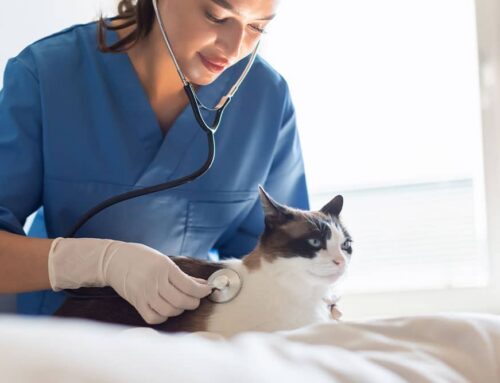
Mobile veterinary care removes that barrier. At Iris Veterinary Care in Lewes, DE, we bring X-rays, bloodwork, and exams directly to your home. Your pet can relax in a familiar environment while we gather the information needed to guide treatment and get them feeling better sooner.
Recognizing Pain in Pets
Pets rarely cry out when something hurts. Instead, they change how they move or behave.
Common signs of pain in pets include:
- Dogs who lag behind on walks instead of pulling ahead
- Cats who stop grooming or avoid climbing to favorite spots
- Reluctance to get into the car or climb stairs
- Sleeping more, or withdrawing from family interaction
X-rays in the home let us confirm whether these changes are due to arthritis, injury, or another cause, helping families move from guesswork to clarity.
Why Pets Limp, Stiffen, or Slow Down
Mobility loss has many possible causes, from temporary sprains to chronic joint disease. Limping can stem from age, injuries, infections, orthopedic disease, or a combination of other issues.
While arthritis is by far the most common culprit, other conditions can also lead to changes in movement:
- Osteosarcoma, a bone cancer, often shows up first as lameness.
- Neurological problems such as degenerative myelopathy or intervertebral disc disease affect coordination and ability to move limbs.
- Tick-borne diseases like Lyme disease can cause shifting leg lameness, especially in active dogs who spend time outdoors.
Sorting through these possibilities requires a careful exam. Mobile X-rays and diagnostics make it possible to investigate thoroughly without putting extra stress on a pet that already struggles to move.
Arthritis: The Most Common Cause of Mobility Issues
Arthritis and degenerative joint disease are the leading causes of mobility loss in both dogs and cats. Years of running, swimming, and leaping into cars and onto windowsills can leave joints worn and painful. Shelter pets with untreated injuries are also more prone to arthritis as they age.
Cats are experts at hiding pain, which means families may not notice arthritis until it is advanced. Signs include resting more, hesitating to jump, or avoiding the litter box. Subtle changes in activity and grooming habits are often the only early warnings.
Dogs tend to show stiffness after exercise, reluctance to go on walks, or limping after chasing a ball. X-rays taken at home can confirm arthritis, rule out other conditions, and help guide treatment without the ordeal of a stressful clinic visit.
When Pets Adapt After Injury or Amputation
Some pets live happily with three legs after amputation, but strain can develop in their remaining limbs over time. Pets with injuries such as old pelvic fractures or broken legs can develop significant arthritis where the bone healed. X-rays help us track these changes and intervene before pain escalates. Dogs and cats adapt remarkably well to amputation and injuries, but ongoing veterinary support is vital to keep them comfortable long-term.
Quality of Life: When Mobility Affects Daily Comfort
For families, one of the hardest questions is, “Is my pet still enjoying life?” The Quality of Life Scale offers a structured way to evaluate factors like pain, appetite, mobility, and happiness.
At Iris Veterinary Care, we use this tool to guide conversations with families. It provides perspective on whether medical management, lifestyle adjustments, or further diagnostics like X-rays are the best next step. The Iris team also provides hospice, palliative care, and end of life services if the pain becomes unbearable for your pet.
Keeping Senior Pets Active
Staying active is essential for joint health, but activity must be adapted to each pet’s ability.
Exercise Strategies
- Replace long runs with shorter, more frequent walks.
- Swimming is one of the best low-impact activities for arthritic dogs.
- Gentle stretching routines and structured exercise improve circulation and mobility. Warm-up and cooldown routines before and after activity help reduce stiffness.
- Encourage old cats to move with gentle play time, putting their favorite treats or kibbles in long row down the hallway for dinner, or use a treat ball or puzzle toy.
Assistive Devices
When joints no longer cooperate, tools can restore independence. Assistive devices such as slings, ramps, or booties can make daily life easier. For larger dogs, strollers or wagons mean they can still enjoy the outdoors without pain.
Making the Home Easier to Navigate
For pets with arthritis or mobility challenges, even simple tasks around the house can feel daunting. Small adjustments to the home environment can make daily life safer and more comfortable. Raised food and water bowls reduce the strain on the neck and shoulders, while non-slip rugs provide traction to prevent slips on hardwood or tile. An orthopedic bed placed in a quiet, draft-free area gives sore joints much-needed support.
Cats benefit from low-entry litter boxes and home modifications designed specifically for seniors, such as easily accessible perches and strategically placed resting spots. Dogs may appreciate arthritis-friendly adjustments like ramps for reaching couches or beds, or baby gates to block off slippery staircases.
These changes may seem small, but they restore independence and reduce frustration for pets who still want to be part of daily family routines.
How Iris Veterinary Care Supports Mobility at Home
As a mobile veterinary service, we bring the full spectrum of care directly to your door:
- Diagnostics – including X-rays, bloodwork, and joint exams performed in your home or our mobile rig
- Pain management – from anti-inflammatories to advanced therapies
- Lifestyle guidance – exercise plans, nutrition, and home adaptation strategies
- Ongoing partnership – continuity of care with the same veterinarian and team who know your pet’s history
With mobile X-rays, we can diagnose mobility issues without the struggle of transport. This allows faster treatment and greater comfort for pets who cannot easily travel.

Helping Pets Stay Comfortable in Their Golden Years
Aging does not mean your pet has to give up the beach, the boardwalk, or the comfort of a favorite sunny spot. With personalized in-home veterinary care, pets in Lewes can stay active and comfortable longer.
If your pet struggles with mobility or you worry about transporting them for diagnostics, Iris Veterinary Care can help. We bring X-rays, exams, and treatment directly to you, reducing stress for both pets and families.
Contact Iris Veterinary Care today to schedule an in-home visit and see how mobile X-rays can make all the difference for your pet’s comfort and health.



Leave A Comment