

Diarrhea in Pets: When to Watch and When to Worry
Diarrhea in pets is one of the most common and most confusing problems owners face. Sometimes it’s a simple dietary slip, but other times it’s the first sign of a more serious condition. Knowing when to watch and when to worry can make all the difference in your pet’s health.
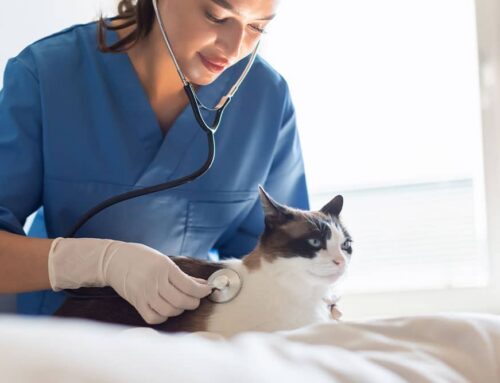
At Iris Veterinary Care, we take the uncertainty out of the process by providing full-service, at-home veterinary care. From diagnostics and treatments to same-day follow-up, we help your pet recover comfortably where they feel safest- at home.
Understanding Diarrhea in Pets
What is Diarrhea?
Diarrhea in pets refers to loose, watery, or frequent bowel movements that deviate from your pet’s normal stool consistency. While occasional soft stools can happen to any healthy pet, persistent diarrhea indicates an underlying issue that requires attention.
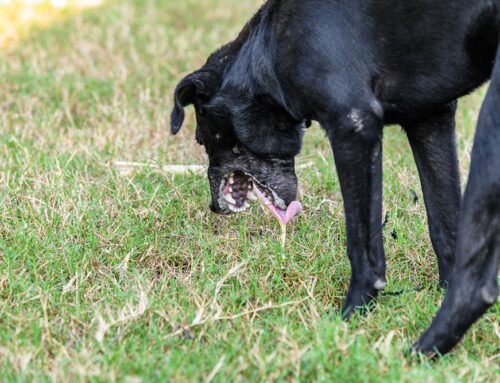
Common causes range from dietary indiscretion, such as when your dog raids the garbage or your cat samples something they shouldn’t, to infections, stress, or chronic diseases. Look for patterns and accompanying symptoms: Did the diarrhea start after a recent food change? Has your pet been more anxious lately? Are there other symptoms present?
Identifying the root cause helps determine whether it’s a minor digestive upset or a situation requiring immediate veterinary intervention. Diarrhea may be acute, lasting a day or two and often caused by something simple, or chronic, lasting weeks and hinting at deeper issues like inflammatory bowel disease or endocrine disorders. Tracking frequency, duration, and stool characteristics can give your veterinarian valuable clues.
Why Diarrhea Matters
Diarrhea isn’t just messy. It can lead to dehydration and nutrient loss. When the digestive system can’t absorb water and nutrients properly, the body compensates by pulling fluids from elsewhere. Young, elderly, and small pets are especially prone to rapid dehydration.
Prolonged diarrhea disrupts electrolytes, lowers energy, and can weaken the immune system. Left untreated, a simple upset can escalate into a serious health issue. Diarrhea may also signal conditions like inflammatory bowel disease, liver problems, or systemic infections that need prompt diagnosis and treatment. Pets with existing medical conditions, such as diabetes or kidney disease, can deteriorate even faster, making early intervention critical.
Common Causes of Diarrhea in Pets
Dietary Causes
Diet-related diarrhea is among the most common causes. Sudden food changes can shock your pet’s digestive system, even when switching to a higher-quality food. Gradual transitions over 7–10 days prevent upset.
Choosing appropriate nutrition is crucial. Poor-quality ingredients, excessive fat, or foods that don’t match your pet’s life stage can trigger diarrhea.
Food safety matters, too. Contaminated, expired, or improperly stored food can harbor harmful bacteria. Follow Pet Food Safety guidelines to reduce preventable digestive issues.
Even treats or table scraps can be culprits. High-fat foods, bones, and spicy leftovers are notorious for upsetting stomachs. Pets that routinely raid the trash or counter-surf may experience recurrent bouts of diarrhea, which can worsen over time if habits aren’t corrected.
Medical Causes
Infections are a significant category of causes. Canine parvovirus is particularly dangerous in puppies and unvaccinated dogs, often causing severe, bloody diarrhea with vomiting and rapid dehydration.
Pancreatitis commonly triggers digestive issues, including diarrhea. Inflammation affects enzyme production, leading to poor nutrient absorption and loose stools.
Parasites are another frequent culprit, especially in pets with outdoor access. Worms, coccidia, and giardia can cause persistent diarrhea that won’t resolve without targeted treatment.
Other medical factors include food allergies, inflammatory bowel disease, endocrine issues such as Addison’s disease or hyperthyroidism, and exposure to toxins or medications that irritate the GI tract. Because so many different problems can look similar, testing is often the only way to know for sure what’s going on.
Home Care and Management
Immediate Actions
When diarrhea first appears, monitor hydration. Gently lift the skin on the neck or between the shoulder blades. If it snaps back quickly, hydration is likely adequate. If it returns slowly or stays tented, dehydration is developing and veterinary care is needed.
Temporary diet adjustments can help mild cases. A bland diet of boiled chicken and rice (for dogs) or a prescription digestive diet can give the gut time to recover. Avoid dramatic changes without professional guidance, as these can sometimes worsen the problem.
Use caution with over-the-counter remedies. Never give human medications without veterinary approval, as many are toxic to pets. Pet-specific probiotics may help, but timing and dose matter.
Keep your pet’s environment calm. Stress hormones can disrupt digestion, especially in cats. Offer fresh water frequently and encourage rest. If diarrhea continues beyond 24–48 hours or worsens, it’s time for professional evaluation.
Preventive Measures
Prevention starts with smart pet-proofing. Secure garbage, store human food safely, and remove toxic plants.
Regular veterinary check-ups catch problems early. Routine fecal exams detect parasites, and blood work can identify underlying conditions that predispose pets to digestive issues.
Maintaining consistent, high-quality nutrition, ensuring clean water access, and reducing sudden lifestyle changes all help stabilize digestion. For sensitive pets, your veterinarian may recommend prescription diets formulated for gastrointestinal health.
When to Seek Veterinary Care
Signs of Serious Issues
Blood or mucus in stool requires prompt attention and often indicates inflammation or infection. The appearance of blood can help your veterinarian assess the source and severity.
Vomiting combined with diarrhea is especially dangerous because pets lose fluids rapidly, leading to dehydration and electrolyte imbalances. Lethargy, loss of appetite, and behavioral changes often signal systemic illness.
Rapid weight loss or fever alongside diarrhea suggests significant disease and warrants immediate evaluation. Chronic cases may require diagnostic testing, such as fecal exams, imaging, or bloodwork, to identify the cause and guide treatment.
Emergency Situations
If toxin ingestion is suspected, act immediately. Contact ASPCA Poison Control while arranging emergency veterinary care. Time is critical.
Severe dehydration presents as sunken eyes, dry gums, weakness, and collapse. These life-threatening signs require immediate fluid therapy and intensive care. Pets with black, tarry stool, uncontrollable vomiting, or extreme lethargy should be seen on an emergency basis.

The Role of Iris Veterinary Care
Personalized At-Home Care
Mobile veterinary services offer unique advantages for pets with diarrhea. Stress can worsen digestive issues, and care in the familiar home environment helps pets remain calmer during exams and treatment. This approach allows more accurate assessment of normal behavior and eating patterns.
Our trust-based relationships with pet owners mean we understand each pet’s baseline health and can quickly identify when something is wrong. This is especially helpful when evaluating digestive symptoms. The ability to see the pet’s environment also helps identify triggers such as spoiled food, household toxins, or inappropriate dietary items.
Diagnostic and Treatment Options
On-site diagnostics remove the stress of transporting a sick pet. Blood work can reveal dehydration, organ function, and signs of infection or inflammation. Imaging helps identify foreign objects or structural issues contributing to digestive problems.
Tailored treatment plans address each pet’s specific needs and home situation. We demonstrate medication techniques, discuss diet modifications, and provide monitoring instructions that fit your schedule and capabilities. Follow-up visits or teleconsults ensure that recovery is progressing and that adjustments are made as needed.
Your Next Steps for Pet Digestive Health
Recognizing when diarrhea signals a serious problem empowers you to act quickly. If you notice blood in the stool, persistent vomiting, dehydration signs, or lethargy, don’t wait.
Iris Veterinary Care’s mobile diagnostics and same-day treatment options mean your pet can receive expert care without the stress of clinic visits. Our comprehensive approach includes on-site blood work and tailored treatment plans for your pet’s specific needs. Contact Iris Veterinary Care today to schedule an evaluation or discuss concerns about your pet’s digestive health. Our team is ready to provide the expert care your pet deserves at home.



Leave A Comment