

When Should My Puppy or Kitten Get Vaccinated and Dewormed?
The first few months of a puppy or kitten’s life set the stage for everything that follows. During this window, young immune systems are learning to protect against serious diseases while also fending off intestinal parasites that are nearly universal in baby animals. The good news? A straightforward schedule of vaccines and deworming gives your new family member the best possible start, and we’re here to make it simple.
Iris Veterinary Care brings preventive care directly to your home through our mobile services. Our wellness and prevention program includes comprehensive vaccination protocols and parasite control tailored to puppies and kittens. Home visits mean young animals receive care without the stress of travel or exposure to other pets during their most vulnerable weeks. Set up an appointment so we can build a personalized prevention plan for your newest family member.
Welcome Home: Building Your Prevention Plan
There’s nothing quite like bringing home a wiggly puppy or a curious kitten. Between the snuggles and the inevitable sock-stealing, you’ll want to check a few important health items off your list early. Vaccines and deworming work together to protect your pet during a time when their immune system is still developing and parasites can take hold quickly.
We know it can feel overwhelming at first, but we promise it’s simpler than it sounds. Think of it as giving your pet a shield against the biggest threats they’ll face in their first year. As a mobile practice serving Lewes, Rehoboth Beach, Milton, Bethany Beach, and nearby coastal Delaware communities, we bring this care right to your living room as part of our wellness and prevention program.
Why Vaccines Matter So Much in Young Pets
Puppies and kittens are born with some temporary protection from their mothers, but this fades over the first few months of life. Vaccinations step in to train the immune system to recognize and fight specific diseases before your pet ever encounters them. Without this protection, common infections can become life-threatening surprisingly fast.
We follow evidence-based canine vaccination guidelines and feline vaccination guidelines from AAHA and AAFP/FVMA- these may seem like random acronyms, but the American Animal Hospital Association and the Feline Veterinary Medical Association work hard to research the best methods and timing to ensure pets receive the right vaccines at the right time. They recommend a series of vaccines given every three to four weeks during puppyhood and kittenhood. This timing isn’t arbitrary; it accounts for the gradual decline of maternal antibodies while building lasting immunity.
We’re also very particular about the vaccines we use. We choose each manufacturer individually based on which brand offers the best combination of effectiveness and safety, selecting products like Purevax and Nobivac NXT that reflect the latest science.
Core Vaccines for Puppies
DAPP: Protection Against Four Serious Diseases
The DAPP vaccine protects against distemper, adenovirus, parainfluenza, and parvovirus. These diseases range from highly contagious to potentially fatal, and young puppies are especially vulnerable.
Canine parvovirus deserves special mention because it’s both extremely contagious and heartbreakingly common in unvaccinated puppies. It attacks the intestinal tract, causing severe vomiting, bloody diarrhea, and rapid dehydration. Survival requires aggressive hospital care, and prevention is far easier than treatment.
Puppies typically receive DAPP vaccines every three to four weeks starting around six to eight weeks of age. We make sure your puppy is at least 16 weeks old for their final DAPP booster, which ensures their immune system is mature enough to build strong, lasting protection.
Leptospirosis: A Sneaky Outdoor Threat
Leptospirosis is a bacterial infection that spreads through contaminated water, soil, and the urine of infected wildlife. Puddles, ponds, and even wet grass can harbor this organism, making it a real concern for dogs who spend time outdoors in coastal Delaware. Leptospirosis can cause kidney failure, liver damage, and serious illness, and it can spread to humans too. We recommend this vaccine for most puppies, with an initial series followed by annual boosters.
Bordetella: Keeping Social Pups Safe
If your puppy will be social at all- like attending daycare, training classes, grooming appointments, or using boarding facilities- the bordetella vaccine is essential. Canine infectious respiratory disease complex, commonly called kennel cough, spreads easily wherever dogs gather. While usually not life-threatening, it causes a harsh, honking cough that can linger for weeks and make everyone in the house miserable. We typically start this vaccine early and boost it based on your puppy’s social calendar.
Lifestyle Vaccines: Lyme and Canine Influenza
Depending on your dog’s activities and exposure risks, we may recommend additional protection. Lyme disease is transmitted by deer ticks and can cause joint pain, fever, and kidney problems. Dogs who hike, explore wooded areas, or live in tick-heavy regions benefit from vaccination alongside year-round tick prevention. Canine influenza is another consideration for dogs who frequently interact with other dogs at parks, shows, or boarding facilities. We’ll talk through your puppy’s lifestyle and help you decide which vaccines make sense.
Rabies: Required and Essential
Rabies vaccination is required by law because this virus is fatal and can spread to humans. Puppies receive their first rabies vaccine around 12 to 16 weeks of age, with boosters according to local requirements. This one’s non-negotiable, and we’ll help you stay compliant.
Core Vaccines for Kittens
FVRCP: The Feline Foundation
The FVRCP vaccine protects against feline viral rhinotracheitis, calicivirus, and panleukopenia. Feline upper respiratory infections caused by these viruses spread easily and can leave kittens miserable with sneezing, eye discharge, and mouth ulcers. Panleukopenia (sometimes called feline distemper) attacks the immune system and gut, and can be rapidly fatal in young cats.
Following feline vaccination protocols, kittens receive FVRCP every three to four weeks during their first months. We ensure your kitten is 18 to 20 weeks old for their final booster, giving their immune system the best chance to respond fully.
Feline Leukemia Virus: Important for At-Risk Cats
Feline leukemia virus (FeLV) is a serious infection that suppresses the immune system and can lead to cancer and other life-threatening conditions. It spreads through close contact between cats, including grooming, sharing food bowls, and bite wounds. We recommend FeLV vaccination for all kittens, since their future lifestyle may be uncertain, and for any adult cat who goes outdoors or lives with FeLV-positive housemates. Before vaccinating, we’ll test your kitten to confirm they’re not already infected.
Rabies for Cats
Cats need rabies vaccination too, even indoor-only cats. Bats and other wildlife can find their way inside, and legal requirements apply regardless of lifestyle. We’ll include this in your kitten’s schedule at the appropriate time.
Common Parasites in Young Pets
While vaccines protect against viral and bacterial diseases, deworming tackles a different threat. Most puppies and kittens arrive with intestinal parasites, often passed from mom before birth or through nursing. Following CAPC (the Companion Animal Parasite Council) guidelines, we build parasite prevention into every young pet’s care plan.
Roundworms and Hookworms
These are the most common culprits. Roundworms and hookworms can cause pot-bellied appearance, dull coat, diarrhea, and in the case of hookworms, dangerous anemia from blood loss. Because these are zoonotic parasites that can infect humans (especially children), treating your pet protects your whole family.
Tapeworms, Whipworms, and Protozoans
Tapeworms typically arrive via fleas, so seeing those rice-like segments means addressing both parasites. Whipworms cause stubborn large-bowel diarrhea and thrive in contaminated soil. Protozoans like coccidia and giardia cause watery diarrhea and dehydration, especially in crowded environments. Fecal testing through our mobile diagnostics helps us identify exactly what we’re dealing with.
Year-Round Protection: Monthly Preventives
Once the initial series is complete, monthly broad-spectrum preventives become your pet’s ongoing shield. Many products combine heartworm prevention with protection against intestinal worms, fleas, and ticks. Veterinary organizations recommend year-round prevention because parasites don’t take winters off, and coastal Delaware’s mild, humid climate supports mosquitoes and ticks for much of the year. Regional prevalence maps show why consistent coverage matters here.
Keeping Your Family Safe
Some parasites can infect humans, so your pet’s prevention plan protects everyone at home. Simple habits make a big difference: pick up feces promptly, wash hands after outdoor play or litter box duty, keep sandboxes covered, and stay current on your pet’s preventives. Families with young children or immunocompromised members should be especially consistent. Questions about household safety? Reach us through our contact page.
The Prevention Schedule: Putting It All Together
First Eight Weeks
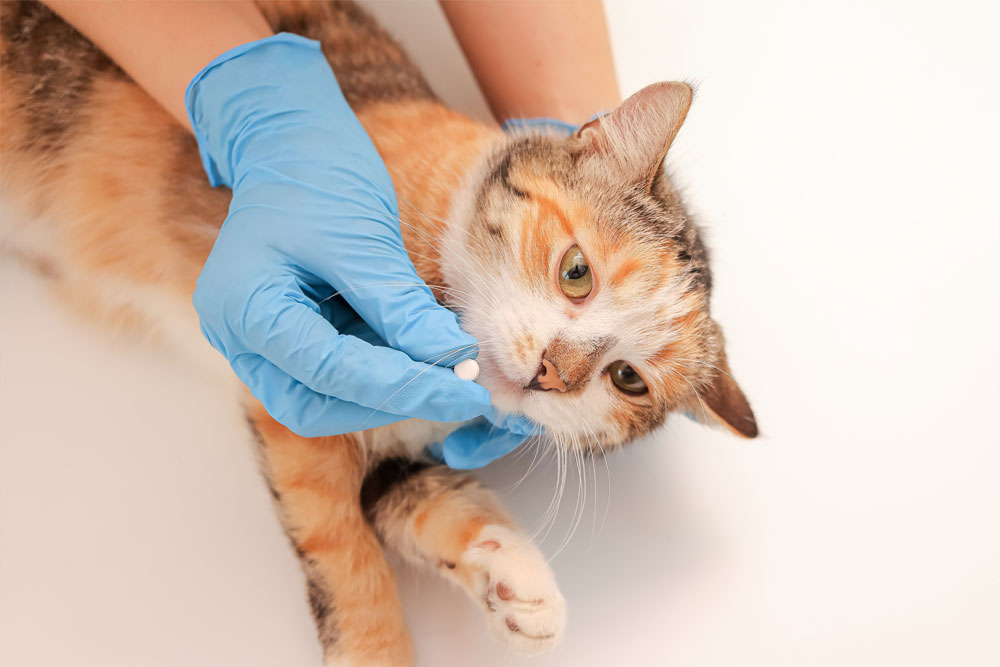
Deworming typically begins at two weeks of age and continues every two weeks until around sixteen weeks and fecal testing shows that your pet is clear of eggs, interrupting parasite life cycles before they cause harm. We also start heartworm and flea/tick prevention by eight weeks, giving your pet continuous protection from day one. Depending on your pet’s situation, we may recommend starting vaccinations around six weeks of age. Every puppy and kitten is different, and we create individualized plans for each unique situation.
Eight Weeks Through Four-Five Months
This is the busy season for vaccines! Puppies and kittens receive their core vaccines every three to four weeks during this window, with the final boosters timed to their age (16 weeks for DAPP, 18 to 20 weeks for FVRCP). Deworming continues through this stage, and monthly preventives keep parasites at bay.
Six Months and One Year
We recommend fecal testing and a thorough exam, and may recommend a broad-spectrum deworming again- especially for pets with active outdoor lifestyles. Heartworm and tick disease testing should also begin at their first “adult” exam. Vaccine boosters occur at this visit, and we may recommend adding other vaccines depending where you go with your pet. These visits help us catch anything acquired during outdoor adventures, transition to adult schedules, and adjust recommendations based on your pet’s evolving lifestyle.
What to Expect During Home Visits
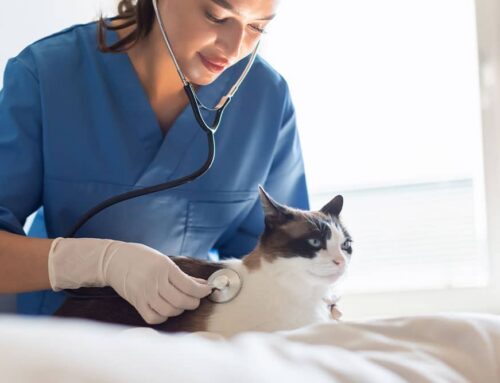
We’ll start with a physical exam and accurate weight for precise dosing. Depending on what’s due, we’ll administer vaccines, give deworming medication, and collect a fecal sample if needed. We take time to explain what to expect afterward, answer your questions, and map out the next steps together. Most pets tolerate everything beautifully, especially in the comfort of their own home.
Mild soreness at vaccine sites or soft stool after deworming can occur but typically resolves quickly. Call us if you notice anything that concerns you, like persistent vomiting, lethargy, facial swelling, or pale gums.
Your Partners in a Healthy Start
A clear schedule of vaccines and deworming during the first year, followed by monthly prevention and routine testing, gives young pets the foundation for a long, healthy life. At Iris Veterinary Care, we bring this care to your doorstep with longer appointments, gentle handling, and the expertise to answer all your new-pet questions.
Welcoming a puppy or kitten? Explore our wellness and prevention program, meet our team, and request an appointment to get started right in your own home. Want to chat first? Send us a note through our contact page. We can’t wait to meet your new family member.



Leave A Comment