

Everyday Pet Gear That Can Harm Instead of Help
Pet supply stores overflow with colorful collars, innovative leashes, and enticing toys. Most owners assume that if something is sold for pets, it must be safe. Unfortunately, that’s not always true. Some widely available products can cause tracheal damage, entanglement injuries, choking hazards, or worse. Knowing which equipment poses risks and what safer alternatives exist helps protect pets from preventable harm.
Iris Veterinary Care brings safety education directly to homes through our mobile services. During our wellness and prevention visits, we assess the equipment owners are using and provide guidance on safer options tailored to each pet’s size, behavior, and needs. Home visits allow us to see exactly what equipment is being used and offer practical, personalized recommendations. Set up an appointment for a comprehensive safety assessment.
Understanding Your Dog and Choosing Humane Equipment
As a mobile practice serving Lewes, Rehoboth Beach, Milton, Bethany Beach, and nearby coastal Delaware communities, we help you choose equipment that protects your pet’s body and fosters calmer, more confident walks.
Dogs tell us how they feel through posture, tail, ears, and facial tension. Understanding canine body language helps you intervene early when signals like lip licking, yawning, or a tight mouth suggest rising stress. The stress ladder framework shows how tension escalates, while recognizing dog communication patterns helps you spot discomfort before it escalates.
Modern, science-backed positive training rewards the behaviors you want and manages the rest. Pain-free methods reduce fear and frustration, strengthen your bond, and are increasingly recommended by veterinary professionals because they’re effective and safer for pets and people.
If your dog coughs against a collar, braces into pressure, or gets more vocal as tension increases, the gear may be part of the problem. Physical comfort affects behavior. We can observe your dog’s body language during an at-home exam and recommend changes.
Dangerous Equipment to Avoid
Prong, Choke, and Shock Collars
Prong collars tighten and press metal points into the neck. The documented dangers of training collars include pain, tissue damage, and negative associations. Choke chains and shock collars fall under aversive training methods that rely on fear or pain. They can escalate aggression in dogs and increase stress, even when they appear to “work.”
Retractable Leashes
Retractable cords can burn skin, wrap around legs, or snap under tension. The bulky handle is easy to drop, and the taut line encourages pulling. There are many reasons why veterinarians don’t recommend retractable leashes, including poor control in emergencies and increased accident risk. For home visits and procedures, we ask clients to use standard leashes to keep everyone safe.
If you’re managing pulling, barking, or reactivity, we can replace aversive tools with humane equipment and a training plan. Contact our team to get started.
Safe Walking Gear That Works
Collars and Harnesses
Flat collars and well-fitted martingales work well for ID. When choosing the right collar, check two-finger spacing and reassess fit regularly. For most dogs, attach the leash to a harness and reserve collars for ID and licensing.
Harnesses distribute force across the chest and shoulders, protecting the trachea. Front-clip styles gently redirect pulling; back-clip options suit well-trained walkers. Proper fit for harnesses and head halters means allowing free shoulder movement and avoiding rubbing. Head halters guide the head, which guides the body. When introduced gradually with rewards, they’re invaluable for safety with large or strong dogs.
Leashes for Control and Freedom
A 4–6 foot leash balances control and freedom for neighborhood walks and training. Short, non-retractable leashes make it easier to practice walking nicely on leash without tension. Long lines (15–30 feet) are excellent for recall practice in safe, open areas. For effective long line training, use them in low-traffic spaces with good visibility and clip to a harness to avoid neck strain.
We can help fit harnesses, head halters, and demonstrate safe handling during an in-home visit.
Dangerous Toys and Chews
A fun play session can become a veterinary emergency in seconds. Through our mobile diagnostics and surgery services, we regularly treat toy and chew-related emergencies that could have been prevented.
High-Risk Products
Tennis balls have abrasive surfaces that wear down tooth enamel. Rope toys shed fibers that can twist in the intestines, requiring emergency surgery. Small rubber toys become choking hazards. Toys with removable squeakers tempt dogs to tear them apart and swallow pieces. Hard plastic or nylon toys can crack teeth.
Understanding the potential dangers of popular dog chews helps you avoid products that seem safe but aren’t. Our dentistry services frequently treat fractured teeth from inappropriate chews. Bones can splinter, rawhide swells and causes blockages, and antlers and hooves are harder than tooth enamel. Know the dangerous chews to avoid.
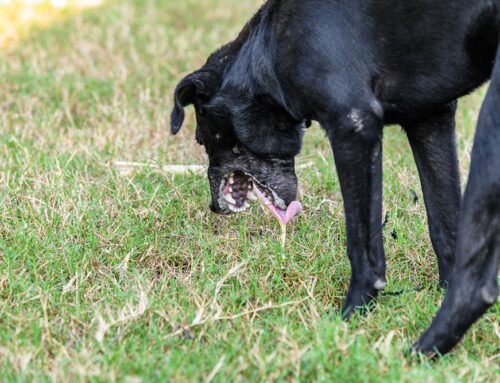
Watch for warning signs: gagging, drooling, vomiting, visible tooth damage, difficulty eating, straining to defecate, or lethargy. Dental fractures expose pulp and nerve, causing severe pain. Intestinal blockages need emergency surgery and can be life-threatening if treatment is delayed. If your pet shows distress, contact us immediately.
The Thumbnail Test and Size Guidelines
A chew should give slightly when you press your thumbnail into it. If it doesn’t yield at all, it’s too hard. Choose toys and chews large enough that your dog cannot fit them entirely in their mouth. Replace items as soon as they show wear. Never leave dogs unsupervised with rope toys, plush toys with stuffing, or anything with removable parts.
Safe Alternatives
Durable rubber toys designed for stuffing and freezing provide long-lasting, safe entertainment. Puzzle toys engage minds without physical risk. Safe chew toys pass the thumbnail test and match your dog’s chewing intensity. For moderate chewers, consider dental chews approved by veterinary dental organizations like the Veterinary Oral Health Council.
Rotate toys weekly to maintain novelty. Monitor chew sessions and remove items when they become small or damaged. For dogs who destroy everything, puzzle feeders and frozen enrichment toys satisfy the urge to work for food without the dangers of traditional chews. During home visits, we can assess your dog’s chewing style and recommend safe products.
When Behavior and Health Connect
Gear is one part of a bigger picture. Dogs who are reactive, fearful, or anxious need equipment that reduces pressure and discomfort. Medical issues like arthritis, dental pain, or skin irritation can lower tolerance for triggers and increase reactivity. Our internal medicine approach checks for health contributors while shaping a humane training plan.
Destructive chewing often signals boredom, anxiety, or inadequate enrichment rather than misbehavior. Providing appropriate outlets through safe toys and chews, combined with adequate exercise and mental stimulation, addresses the root cause. If destructive behavior persists or you’re seeing new leash reactivity, coughing on walks, or sudden pulling, schedule a wellness exam to rule out medical contributors.

Muzzles: A Practical Safety Tool
Basket muzzles allow panting, drinking, and taking treats. With gradual, reward-based introduction, basket muzzle training can reduce stress. Appropriate uses include veterinary care, grooming, meeting unknown dogs, or preventing obstructions for dogs who try to eat everything. We can help you select and fit a muzzle during a home visit and coach you through conditioning.
Partner With Us for Safer Choices
Safe walking equipment, appropriate toys, and proper chews protect your pet’s body, support positive behavior, and prevent costly emergencies. Because we examine pets at home, we can evaluate your current gear and enrichment items, watch your dog move and play, and recommend changes that align with your training goals and medical considerations.
- For preventive planning, gear checks, and toy safety guidance, schedule awellness and prevention visit.
- For dental concerns from inappropriate chews, our dentistry services provide comprehensive oral care.
- For emergencies involving obstructions or injuries, our mobile surgery and diagnostics services bring advanced care to your doorstep.
Choose humane gear that protects the neck, improves control, and supports learning. Select toys and chews that provide enrichment without emergency risk. If you’re unsure where to begin, our mobile team will meet you at home, evaluate your current setup, and recommend safer alternatives on the spot. Request an appointment or reach out today. We’ll help you pick the right tools and products so you can enjoy better walks, safer play, and peace of mind.




Leave A Comment